


Finding freedom A guide to gambling addiction recovery steps
Understanding Gambling Addiction
Gambling addiction, often referred to as compulsive gambling, is a complex condition that can devastate individuals and their families. It is characterized by an uncontrollable urge to gamble, even when it leads to severe consequences. Many people may initially gamble for fun, but over time, it can escalate into a serious problem that affects emotional, physical, and financial well-being. Understanding the nuances of this addiction is the first step toward recovery. For those looking for a reliable gaming platform, Casino Days offers various options that cater specifically to New Zealand players.
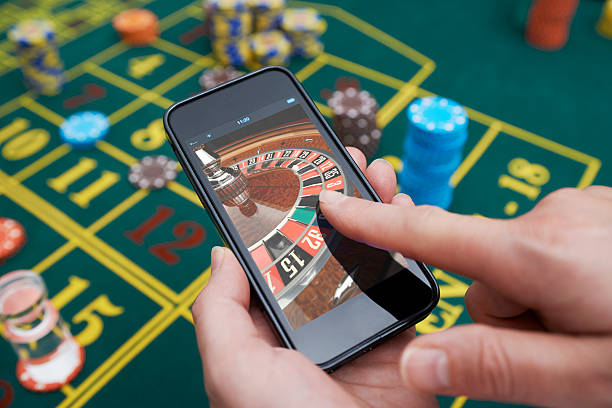
Identifying gambling addiction involves recognizing patterns and behaviors that may indicate a loss of control. For instance, individuals may find themselves lying about their gambling habits, borrowing money to gamble, or neglecting responsibilities at home or work. It is vital to be aware of these signs and to acknowledge that seeking help is not a sign of weakness but rather a courageous step toward regaining control.
Moreover, gambling addiction can be linked to underlying issues such as anxiety, depression, or low self-esteem. These emotional factors often exacerbate the compulsive behaviors associated with gambling. Recognizing the relationship between mental health and gambling can be instrumental in creating a comprehensive recovery plan that addresses both the addiction and any co-occurring mental health concerns.
Seeking Professional Help
One of the most effective steps in overcoming gambling addiction is to seek professional help. Qualified therapists and counselors who specialize in addiction can provide tailored strategies and support that are crucial for recovery. These professionals often utilize cognitive-behavioral therapy (CBT) to help individuals identify harmful thought patterns and develop healthier coping mechanisms. Engaging with a therapist can create a safe space for discussing feelings and behaviors surrounding gambling.
Support groups, such as Gamblers Anonymous, are also valuable resources. These groups offer a sense of community and understanding, as members share similar struggles and experiences. The support of peers who are undergoing similar challenges can foster motivation and accountability, making it easier to stay committed to the recovery process. Participating in these sessions can significantly enhance an individual’s journey toward healing.
Additionally, many treatment programs provide comprehensive approaches that include both individual and group therapy. This multifaceted strategy ensures that individuals receive the necessary support on various fronts. It is crucial to remember that recovery is not a one-size-fits-all process; hence, finding the right treatment that resonates with personal needs can lead to more effective outcomes.
Establishing a Support System
Building a strong support system is vital in the recovery process from gambling addiction. Friends and family play a crucial role in providing emotional support and encouragement. Open communication about the struggles faced can help to foster understanding and empathy from loved ones, making them essential allies in the journey toward recovery. It is important for those affected to express their feelings and encourage others to be open and honest with their concerns.
In addition to personal relationships, seeking out community resources can enhance support. Local organizations often offer workshops, resources, and support groups that can provide invaluable assistance and information. These platforms allow individuals to connect with others who understand the challenges associated with gambling addiction, offering a sense of belonging that can be incredibly empowering.
Furthermore, establishing healthy boundaries with friends and family is essential. This means recognizing who may not be supportive or who might encourage unhealthy behaviors. Having honest discussions about limits, triggers, and expectations can lead to a more supportive environment that prioritizes recovery. Ultimately, the journey toward freedom from gambling addiction is greatly aided by a strong, understanding network.
Developing Coping Strategies
Recovering from gambling addiction requires the development of effective coping strategies to manage triggers and temptations. Understanding personal triggers, such as stress or social pressures, is essential in this process. By identifying these triggers, individuals can create actionable plans to avoid situations that may lead to a relapse. These plans can include practical steps, such as avoiding certain places or limiting interactions with individuals who gamble.
Mindfulness techniques, such as meditation or deep breathing exercises, can also be beneficial. These practices promote self-awareness and emotional regulation, allowing individuals to better handle cravings and impulsive urges. Engaging in hobbies or activities that provide joy and fulfillment can serve as a positive distraction from thoughts of gambling, reinforcing a healthier lifestyle.
Moreover, engaging in physical activity can have significant mental health benefits. Exercise releases endorphins, which help elevate mood and reduce anxiety. Creating a routine that incorporates physical activity not only promotes physical health but also serves as a constructive outlet for stress relief. Embracing these coping strategies can significantly enhance the recovery process, paving the way for a healthier, more fulfilling life.
Utilizing Resources for Recovery
Numerous resources are available for individuals seeking recovery from gambling addiction. Online forums and educational websites can provide crucial information and strategies for overcoming challenges associated with compulsive gambling. These platforms often feature articles, success stories, and expert advice that can inspire and motivate individuals to stay on their recovery path. By leveraging these resources, individuals can feel more equipped to tackle the challenges they face.
Additionally, many healthcare providers and organizations offer specialized programs for gambling addiction recovery. These programs often combine therapy, support groups, and educational workshops to provide comprehensive care. Participating in these structured programs can offer a more focused approach to recovery, addressing both the addiction and any underlying mental health issues.
Furthermore, apps and tools designed to help manage gambling behaviors can be beneficial. Some applications provide reminders, tracking capabilities, and educational resources, making it easier for individuals to stay accountable and informed throughout their recovery journey. By utilizing these diverse resources, individuals can build a strong foundation for lasting recovery and reclaim their lives.

Conclusion and Support from Our Website
At our website, we understand the complexities surrounding gambling addiction and the challenges individuals face during their recovery journey. We provide a wealth of information, resources, and support options tailored to those seeking help. Whether you are looking for professional advice, community support, or coping strategies, our platform aims to guide you through each step of the recovery process.
Our commitment to fostering a supportive environment is reflected in our extensive library of articles, personal stories, and expert insights. We strive to create a space where individuals feel safe to explore their feelings and challenges without judgment. By connecting those affected by gambling addiction with resources and communities, we hope to empower them on their journey to freedom and recovery.
Bir cevap yazın